How to Cover Up a Red Nose From a Cold With Make-up
Soften flakes with balm first, then tap a sheer green or yellow corrector only over the redness. Press a creamy concealer or skin tint on top with a damp sponge, blend the edges outwards, and set with the lightest dusting of powder. Thin layers hide redness better than thick foundation on dry skin.
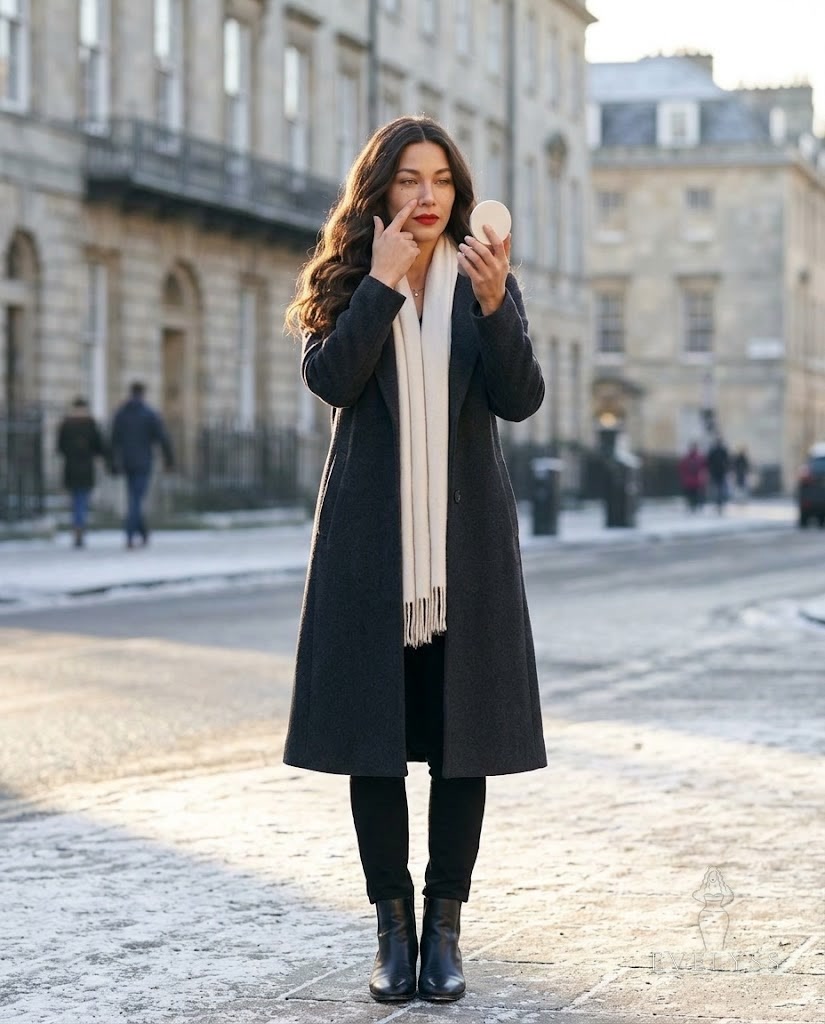
“A red nose is more of a texture problem than a coverage problem. Slap on a heavy foundation and you'll have a red nose with flakes on it. Calm the surface, use the smallest amount that works, and leave the rest of your face alone.”Her take
Calm the skin before make-up
Dry, sore skin is the real obstacle. Skip strong scrubs and acids on the area. Instead, clean gently, pat dry and press in a bland moisturiser. Leave a thicker balm on overnight, wiping off any excess in the morning so it doesn't make your concealer slide.
If there are flakes, don't pick at them. Soften them with a little moisturiser, then lift them gently with a damp cotton bud or muslin cloth. Don't try to remove anything still attached. If the skin is cracked or sore, go without make-up there until it has settled, as covering it may sting.
Choose green or yellow corrector
Green sits opposite red on the colour wheel, so it can help neutralise strong redness. It needs only a sheer layer, however. Used too thickly, it can turn grey under your concealer. Yellow correctors or a peachy-yellow concealer are often better for mild redness, and they're easier to hide on deeper skin tones.
Look for a creamy texture, not a dry stick. Warm a tiny amount on the back of your hand, then tap it on only with your ring finger or a small brush. Focus on the sides of the nostrils and any patches of redness. Leave the rest of your nose free of product.
- Bright, patchy redness: sheer green.
- Mild, rosy redness: soft yellow.
- Medium to deep skin: yellow or peach corrector, tested in daylight.
- Very dry skin: skip the corrector and use a creamy concealer alone.
Build coverage in thin layers
Let the moisturiser sink in for a few minutes before starting. Tap on your corrector first, then apply your usual base lightly across the centre of your face, stopping short of the sore patches. Next, use a small flat brush or fingertip to tap concealer on the redness. Press, don't rub, and use a damp sponge to melt the edges into your base.
Check the result by a window. If the redness shows through, wait a minute and add a second tiny layer. Two thin layers cling less than one thick one, and they're also less likely to crack through the day. Your concealer should match your skin, not be lighter, because a pale patch draws attention to the nose.
Set it so it survives tissues
Use very little powder. Heavy setting on dry skin shows every flake, so use a small fluffy brush and press a little translucent powder only where the concealer is. If your skin is really dry, skip the powder entirely and press a clean tissue over the area instead.
When you do need to blow your nose, dab gently with a soft tissue rather than rubbing it across. Keep a small tube of balm and your concealer in your bag. To touch up, blot the area with a clean tissue first, add a tiny dot of balm if it's dry, wait a moment and then tap on a little more concealer.
Balance the rest of your face
Your make-up can direct attention away from your nose. Add cream blush in a soft peach or neutral rose to your cheekbones, not the centre of your face, then blend out towards your ears. Avoid sweeping bronzer down your nose. Well-groomed brows and mascara will make you look awake, but choose a waterproof formula if your eyes are watering.
A bold lip works if you have a clean edge. Otherwise, choose a balm or soft neutral, particularly if your lips are chapped. A red lip can make the redness of your nose look more obvious on some days and less obvious on others, so check both in a mirror before leaving.
When make-up isn't the answer
Make-up is only a disguise, and a sore nose may be better left alone for a day or two. Skip heavy products if your skin stings, and clean brushes and sponges afterwards, as they've been used near a runny nose. Replace or wash anything that's been in contact with broken skin.
Redness that stays long after a cold, keeps returning, or comes with bumps or soreness is worth discussing with a pharmacist or GP, rather than simply covering up. If your redness is often triggered by cold or wind, wearing a soft scarf outdoors can be a simple way to protect your skin.
Questions people ask
Does green concealer really cover redness?
It can neutralise strong redness if you use a sheer layer, then add a skin-matching concealer. Too much green can look grey, so start with a tiny amount.
How do I cover a red nose without make-up?
You can't fully cover it, but you can calm how it looks. Moisturise the night before, press a cool flannel on it in the morning, and dab rather than rub with tissues.
Why is my concealer flaking on my nose?
The skin underneath is usually dry. Moisturise, gently lift any loose flakes, and switch to a creamy formula with little or no powder.
What should I do first if my nose is red and sore?
Clean gently, apply a bland moisturiser and leave make-up off any cracked areas. Only cover it once the surface feels comfortable.
The takeaway
Soothe first, correct sparingly, press on thin coverage, and keep balm and concealer in your bag for a tissue-heavy day.
Read next
New looks, every day
Her shorts, the Sunday code word for her promo codes, and answers to your questions, on every platform as @msevelyss.
Follow her everywhere → Ask her live →