EVELYSS / Guides / Fashion Sense
Fashion Sense · Ms. EvelyssHow to Make Inexpensive Clothes Look Expensive
Nobody can see the price tag. They see fit, wrinkles, pilling, shiny fabric and too many colours. So hem your trousers to your shoes, take in the waist, steam everything, shave off pilling, swap plastic buttons for horn or metal, pick matte, dense fabrics and keep each outfit to two or three colours.
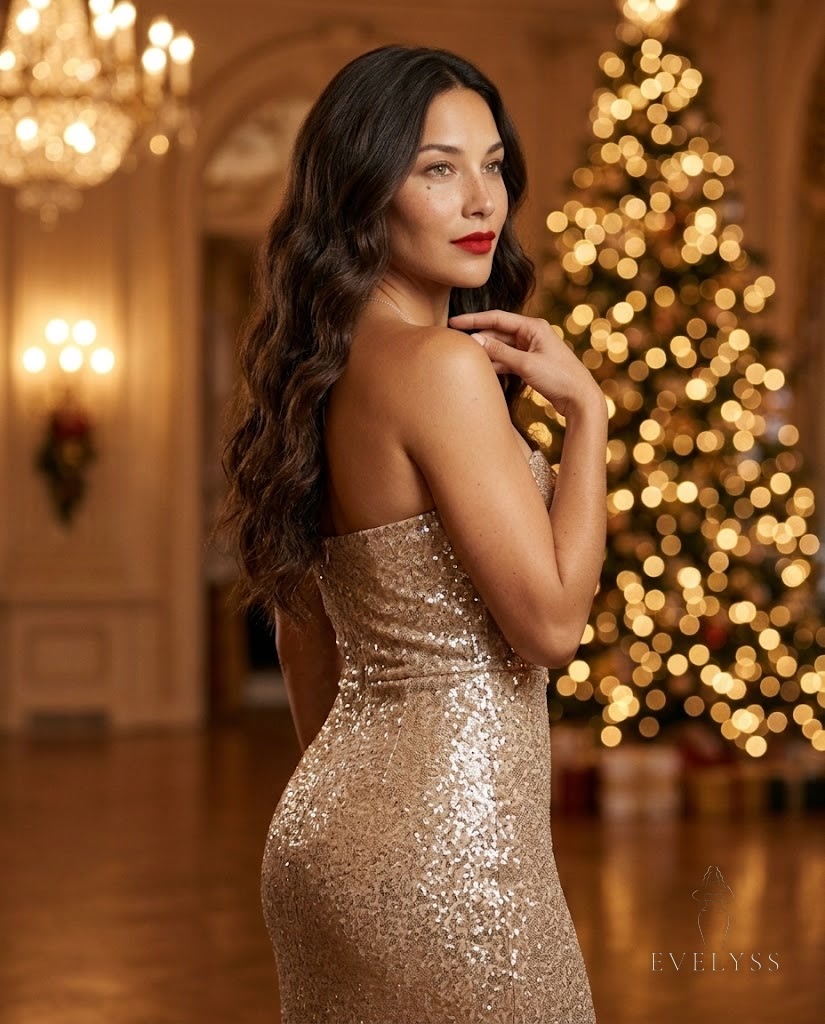
“I have no brand to protect and no cut of the sale, so here it is: an expensive jacket that doesn't fit looks cheaper than an inexpensive one that does. The tailor matters more than the label.”Her take
What people actually notice (it isn't the price)
When someone looks at an outfit and thinks "expensive", they are reacting to a handful of signals, and almost none of them are about cost. Trousers that land cleanly on the shoe. A shoulder seam that sits on the shoulder. Fabric that hangs instead of clinging. No creases, no fuzz, no stray threads. A colour palette that looks chosen rather than collected.
Turn that around and you have the checklist. Wrinkles, pilling, puckered seams, shiny synthetic fabric, hems that pool and five unrelated colours read as cheap at any price. Fix those and inexpensive clothes stop announcing themselves.
Fit first: the tailor list
Tailoring is the single biggest upgrade, and the most common alterations are simple ones. If you only do one thing on this page, do this.
Bring the shoes you will wear with the piece. A hem is measured against a heel height, and it will look wrong with anything much higher or lower.
- Hem trousers and jeans to the shoe you'll wear most: a slight break or none, never fabric pooling at the ankle.
- Shorten sleeves so they end at the wrist bone; on a jacket, a sliver of shirt cuff can show.
- Take in a gaping back waistband on trousers and skirts.
- Take in the side seams of a shirt or dress that tents at the waist.
- Skip anything that needs the shoulders rebuilt: that is costly and rarely looks right. Buy for the shoulders and tailor the rest.
Steam, press and de-pill everything
Creased clothes look careless, and careless looks inexpensive. A handheld steamer handles most knits, dresses and blouses in a couple of minutes; cotton shirts and trousers still look sharpest with an iron. Check the care label first, use a pressing cloth on dark fabrics so they don't go shiny, and keep heat away from anything with a plastic coating or sequins.
Pilling is the other giveaway. Those little balls of fibre show up on knits, under the arms and where a bag strap rubs. A fabric shaver or a sweater comb removes them in minutes; work gently on a flat surface so you don't thin the knit. Then cut loose threads, remove the tacking stitches on coat vents and the X stitch on a new jacket's back slit, and snip off any outer brand tags left on sleeves.
Swap the small hardware
Inexpensive garments often save money on the parts you touch. Shiny plastic buttons, flimsy zips and thin belt buckles pull the whole piece down. Replacing buttons is quick, and a tailor or a steady hand with a needle can do it.
On a blazer or coat, choose horn-effect, matte metal or corozo-style buttons in a colour that matches or sits slightly darker than the fabric. On a cardigan, swap glossy buttons for matte ones in the same size. Keep everything consistent: one button style per garment, and if you change one, change them all, including the cuffs.
The fabrics that read cheap at any price
Some fabrics look inexpensive no matter what the tag says. Thin, shiny polyester satin that catches every light. Jersey so fine it shows every seam and line underneath. Fuzzy, loosely knitted acrylic that pills within a few wears. Stretch fabrics that bag out at the knee and seat after one afternoon.
You can check most of this in the shop or the moment a parcel arrives. Hold the fabric up to the light: if you can see through a top that isn't meant to be sheer, it will cling and show everything. Scrunch a corner in your fist for a few seconds: if it comes out heavily creased, it will look tired by lunchtime. Stretch it gently and let go: it should spring back. Look for matte finishes, dense weaves, cotton, wool, linen, or blends where those fibres lead.
Fewer colours, and where spending more is genuinely worth it
A restrained palette looks deliberate. Build outfits from two or three colours: a neutral base (navy, camel, cream, black, grey or chocolate) and one accent at most. Tonal dressing, such as cream on ivory or camel on chocolate, looks especially polished because it hides where one piece ends and the next begins. Large logos and loud prints work against you; plain pieces let the fit do the talking.
Spend more where wear shows first and longest: shoes (cracked or worn heels give the game away), a coat (it covers everything else for months), an everyday bag with sturdy hardware, and the tailoring itself. Save on trend pieces, basic tees and anything you'll wear for one season. Then look after what you own: hang knits folded, use proper hangers, and polish your shoes. Well-kept clothes always look more expensive than they were.
Questions people ask
What fabrics make clothes look cheap?
Thin, shiny polyester, see-through jersey, loose acrylic knits that pill, and stretch fabrics that bag out quickly. Matte, dense fabrics that hold their shape look more expensive.
Is tailoring inexpensive clothes worth it?
Usually, yes, for simple jobs like hems, sleeves and taking in a waist. Skip pieces that need the shoulders or overall length rebuilt; buy those to fit instead.
How do I stop sweaters from pilling?
Wash them inside out on a gentle cycle or by hand, dry them flat, and avoid rubbing from bag straps. Remove any pilling that forms with a fabric shaver or sweater comb.
Do neutral colours really look more expensive?
Neutrals and tonal outfits tend to look more considered because nothing competes. It's less about the colour itself and more about keeping each outfit to two or three colours.
The takeaway
Fit, care and a calm palette do more than price ever will. Tailor the hems, steam and de-pill, upgrade the buttons, choose fabric that holds its shape, and spend on shoes, coats and bags.
Read next
Ask Evelyss. She answers on camera.
Follow @msevelyss on Instagram and TikTok, and leave your question in the comments.