How to Choose a Moisturizer for Your Skin Type
Match the texture to your skin, not the price to your hopes. Oily skin usually prefers a light gel or lotion, normal and combination skin a light cream, dry skin a richer cream or balm. Look for humectants, emollients and occlusives on the label, go fragrance-free if you react easily, and patch-test before your whole face.
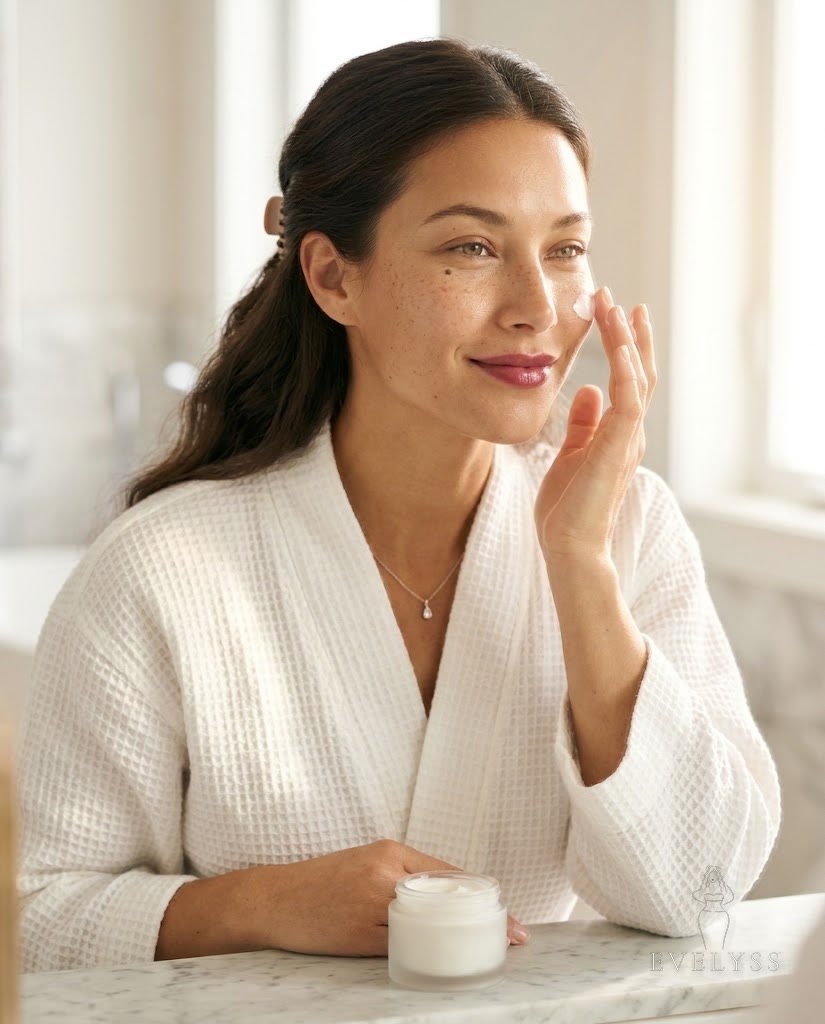
“A heavy glass jar and a big price tell you about the packaging budget, not your skin. I have no commission riding on this, so here it is: the right texture in a plain tube beats the wrong texture in a beautiful one.”Her take
Read your skin before you read a label
Skip the quiz. Wash your face with a gentle cleanser, pat it dry, apply nothing, and look again after about an hour. That bare-skin check tells you more than any marketing line.
Your type can also shift with the seasons, heating, air conditioning and travel. Many people need a lighter formula in summer and a richer one in winter, and that's normal. Owning two moisturizers isn't indulgent; it's accurate.
- Oily: shine across the forehead, nose and cheeks; makeup slides by midday.
- Dry: tight, flaky or dull patches; skin feels like it wants something on it.
- Combination: shiny through the centre of the face, normal or dry on the cheeks.
- Normal: comfortable, not tight, not shiny.
- Sensitive: stings, flushes or itches with new products. This is a tendency, not a type, and it can sit alongside any of the others.
Gel, lotion, cream or balm: texture is the real choice
Texture is roughly how much water versus oil and wax is in the formula. More water feels lighter and sinks in fast. More oil and wax feels richer and stays on the surface longer.
If a moisturizer leaves you shiny an hour later, it's too rich for you or for the season. If your skin feels tight again by lunch, it's too light. Adjust the texture before you blame your skin.
- Gel: watery, weightless, dries down fast. Good for oily skin, humid climates and summer.
- Lotion: thin and fluid. Good for normal to combination skin, and for oily skin that wants a little more.
- Cream: thicker, cushiony. Good for normal to dry skin, cold weather, and as a night moisturizer.
- Balm: dense, often waxy or oily. Good for very dry patches, harsh wind and cold, or as a final layer at night. Usually too much for an oily T-zone.
What to look for on the label, in plain words
Most moisturizers mix three kinds of ingredients. You don't need to memorise chemistry; you need to know which job each one does.
Dry skin generally benefits from all three. Oily skin usually does fine with humectants and a light emollient and little or no heavy occlusive. If you see a term you don't recognise, that's information, not a red flag; look it up before deciding.
- Humectants draw water into the top layer of skin. Look for glycerin, hyaluronic acid or sodium hyaluronate, and urea.
- Emollients smooth and soften the surface. Look for squalane, plant oils, fatty alcohols such as cetyl alcohol (these are not the drying kind), and ceramides.
- Occlusives sit on top and slow water loss. Look for petrolatum, dimethicone, shea butter and beeswax.
- Fragrance-free means no added scent. Unscented can still contain masking fragrance. If you react easily, choose fragrance-free.
- Non-comedogenic is a manufacturer's claim, not a guarantee. It's a useful starting filter for breakout-prone skin, but your own skin has the final say.
Morning versus night, and where sunscreen fits
In the morning you want a moisturizer that sits well under makeup and sunscreen, which usually means something lighter. At night you can go richer, because nothing has to sit on top of it.
A moisturizer with SPF can work for a simple morning routine, but only if you apply enough to get the protection on the label, which is more than most people use for moisturizer alone. If you're unsure, use a separate sunscreen as the last step of your morning routine. For the full order of steps, see the skincare routine guide.
Patch-test before you commit your whole face
A new moisturizer gets a trial run before it gets your whole face. It takes a few days and saves you from a week of redness.
If you have a rash, persistent dryness or flaking that no moisturizer fixes, burning, or breakouts that won't settle, that's a question for a dermatologist, not a new jar. A moisturizer is cosmetic care; it isn't a treatment for a skin condition.
- Apply a small amount to a discreet area, such as behind the ear or along the side of the jaw.
- Repeat once or twice a day for several days, leaving it on as you normally would.
- Watch for redness, itching, stinging, bumps or new breakouts in that spot.
- If anything reacts, stop using it. If nothing does, introduce it to your full face and give it a couple of weeks before judging.
Common mistakes that make a good moisturizer look bad
Applying to bone-dry skin. Humectants work best with a little water to hold, so apply within a minute or two of cleansing, while skin is still slightly damp.
Using too much. A pea to almond-sized amount covers most faces; more just pills under makeup or leaves a film. Changing five products at once also means that when something goes wrong you can't tell which one it was. One new product at a time.
Questions people ask
Does oily skin need moisturizer?
Usually, yes. Skipping it can leave skin feeling tight while it still looks shiny. Choose a light gel or lotion and use a small amount.
What is the difference between dry and dehydrated skin?
Dry describes skin that tends to lack oil; dehydrated describes skin short on water, which can happen to any type, including oily. Dehydrated skin often responds to humectants, while dry skin usually also wants emollients and occlusives.
Can I use the same moisturizer morning and night?
Yes, if it sits well under sunscreen and makeup and keeps you comfortable overnight. Many people simply prefer something lighter in the morning and richer at night.
How long should I try a moisturizer before deciding?
After a successful patch test, give it about two weeks of regular use. Stop sooner if you see irritation.
The takeaway
Pick the texture your skin needs this season, read the label for humectants, emollients and occlusives, patch-test, and ignore the jar.
Read next
Ask Evelyss. She answers on camera.
Follow @msevelyss on Instagram and TikTok, and leave your question in the comments.